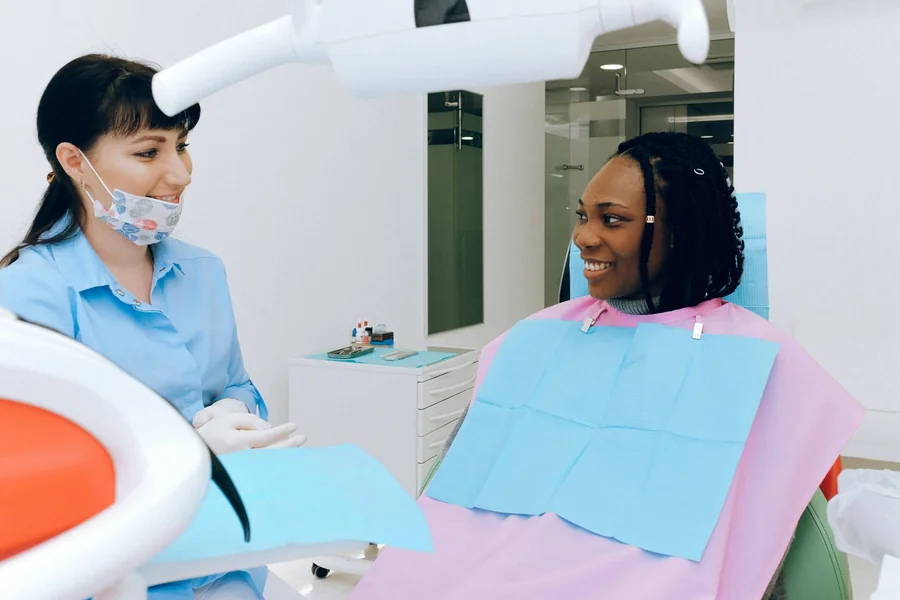

Pregnancy is a time of significant change in the body, and while many people focus on nutrition, exercise, and prenatal checkups, dental health is sometimes overlooked. However, maintaining good oral hygiene during pregnancy is an important part of overall health. Hormonal changes, increased sensitivity, and changes in eating habits can all affect the teeth and gums. With proper care and regular dental visits, most pregnancy-related dental concerns can be prevented or managed effectively.
Why Dental Health Matters During Pregnancy
Pregnancy affects nearly every system in the body, including the mouth. Increased levels of hormones such as estrogen and progesterone can change the way gums respond to bacteria, making them more likely to become inflamed. This can lead to a common condition known as pregnancy gingivitis, which causes red, swollen, or bleeding gums.
Although mild gum irritation is common during pregnancy, it should not be ignored. If gum disease becomes more serious, it can lead to discomfort, infection, and damage to the tissues that support the teeth. Research has also explored possible links between severe gum disease and pregnancy complications, making preventive dental care an important part of prenatal health.
A healthy mouth also contributes to general well-being. Tooth pain, infections, or untreated cavities can make eating difficult and may affect a person’s comfort during pregnancy. Taking care of dental hygiene helps ensure that both the parent and developing baby benefit from good overall health practices.
Common Oral Health Changes During Pregnancy
Several dental changes may occur during pregnancy. Understanding these changes can help expectant parents recognize when they need professional advice.
One of the most common issues is pregnancy gingivitis. The gums may appear swollen, feel tender, or bleed more easily when brushing or flossing. This happens because hormonal changes can increase the body’s inflammatory response to plaque, the sticky layer of bacteria that naturally forms on teeth.
Some pregnant people also develop small areas of extra gum tissue called pregnancy tumors or pyogenic granulomas. Despite their name, these are not cancerous growths. They are usually harmless and often disappear after pregnancy, although a dentist can evaluate them and recommend treatment if they become uncomfortable.
Pregnancy can also increase the risk of tooth decay. Changes in diet, frequent snacking, morning sickness, and cravings for sugary foods may expose teeth to more acids and sugars. Additionally, vomiting caused by morning sickness can bring stomach acid into contact with the teeth, which may weaken tooth enamel over time.
Building a Strong Dental Hygiene Routine
A consistent oral care routine is one of the best ways to protect dental health during pregnancy. Daily habits can significantly reduce the risk of cavities and gum problems.
Brushing twice a day with fluoride toothpaste is essential. A soft-bristled toothbrush is often more comfortable if gums are sensitive or prone to bleeding. Brushing should be gentle but thorough, covering all tooth surfaces and the gumline where plaque tends to collect.
Flossing once a day is equally important. A toothbrush cannot effectively clean the tight spaces between teeth, and bacteria trapped in these areas can contribute to gum inflammation and cavities. If traditional floss feels difficult to use, alternatives such as floss holders or interdental brushes may be helpful.
Using an alcohol-free mouth rinse may provide additional support, especially for people who experience gum sensitivity or increased plaque buildup. However, it is best to ask a dental professional before adding any new oral health products during pregnancy.
The Importance of Regular Dental Visits
Many people wonder whether it is safe to visit the dentist while pregnant. In most cases, routine dental care is not only safe but recommended. Dental cleanings, examinations, and necessary treatments can generally be performed during pregnancy, and maintaining oral health can prevent more complicated problems later.
It is helpful to tell the dentist that you are pregnant and how far along you are. This allows the dental team to adjust care according to your needs. A dentist can provide guidance on managing gum sensitivity, preventing cavities, and creating a personalized oral care routine that supports a healthy pregnancy.
Preventive visits are especially valuable because pregnancy-related dental issues are often easier to address in their early stages. Professional cleanings remove plaque and tartar that cannot be eliminated through brushing and flossing alone.
Scheduling regular dental examinations can help expectant mothers identify subtle oral modifications early, ensuring localized irritation doesn’t impact long-term maternal comfort. Consulting with a dedicated clinic like Camden Dental allows patients to receive tailored preventive care and personalized lifestyle guidance, keeping both teeth and gums consistently stable throughout every stage of pregnancy.
Managing Morning Sickness and Dental Health
Morning sickness can create additional challenges for oral hygiene. Frequent vomiting exposes teeth to stomach acid, which can temporarily soften enamel. Brushing immediately after vomiting may cause further wear because the enamel is more vulnerable at that moment.
Instead, rinse the mouth with water or a fluoride mouth rinse after vomiting and wait before brushing. Drinking water regularly can also help reduce acid exposure and keep the mouth hydrated.
For people experiencing nausea while brushing, switching to a smaller toothbrush head, changing toothpaste flavors, or brushing at a different time of day may make the routine easier to maintain.
Nutrition and Its Role in Oral Health
A balanced diet supports both pregnancy health and strong teeth. Foods rich in calcium, phosphorus, and vitamin D help support healthy teeth and bones. Crunchy fruits and vegetables can stimulate saliva production, which helps protect teeth naturally.
Limiting frequent consumption of sugary snacks and drinks can reduce the risk of cavities. Instead of constant snacking on sweet foods, choosing nutritious meals and snacks at regular times can help maintain a healthier environment in the mouth.
Preparing for a Healthy Future
Dental hygiene during pregnancy is about more than preventing cavities—it is an important part of caring for overall health. Establishing good oral care habits during pregnancy can also set a positive example for future family routines. After birth, parents and caregivers play an important role in helping children develop healthy dental habits from an early age.
Pregnancy is a unique period that requires attention to many aspects of health, and oral care deserves a place among them. By brushing and flossing consistently, attending dental appointments, eating a balanced diet, and seeking advice when problems arise, expectant parents can protect their smiles and support a healthier pregnancy experience.
A healthy mouth contributes to a healthier body, and with the right care, maintaining dental hygiene during pregnancy can be simple, safe, and rewarding.