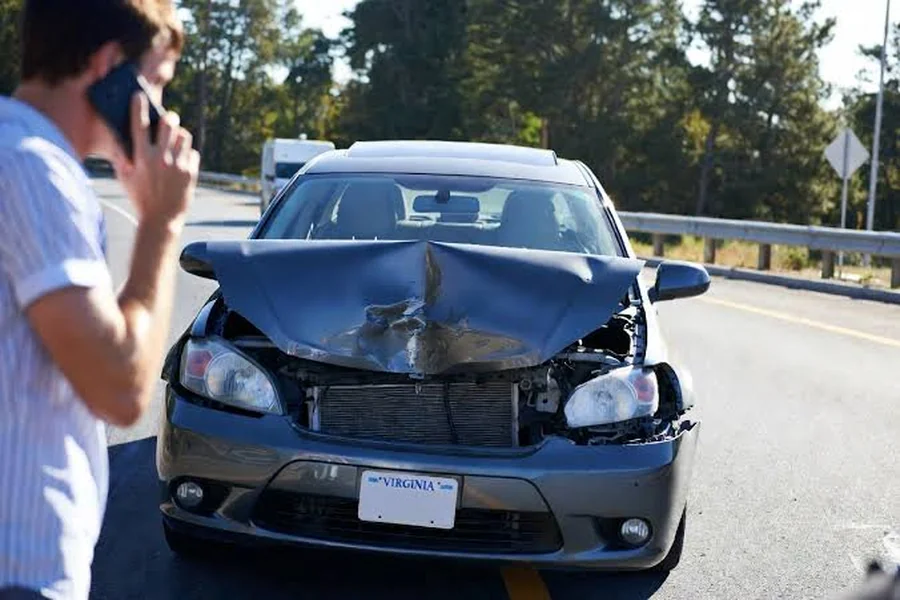

A truck accident might leave you rattled, injured and unclear of what to do next. But the first steps count. Evidence can become more difficult to get, or it can simply vanish. You could erase photos. Video is erasable. Witnesses forget what they witnessed. In fact, truck records will only get harder to get as time goes on. If you were injured in a Washington, DC vehicle accident, one of the first things you should do is save the evidence. It can help to illustrate what happened and who did it.
- The Importance of Evidence After a Truck Accident
- Start With Photos & Video
- Police Report:
- Keep Your Medical Records
- Gather Information from Witnesses
- Save the dashcam and phone video.
- Truck Records Can Be Very Important
- Keep Your Records in Mind
- Social media may also be evidence
- Don’t Accidentally Reveal Evidence
- A Lawyer Can Help Protect the Larger Picture
- Frequently Asked Questions (FAQs)
- 1. What Truck Accident Evidence Should I Collect?
- 2. Am I allowed to photograph the truck after the accident?
- 3. Is Dashcam Footage Evidence in My Truck Accident Case?
- 4. I have no logs from the truck. So what?
- 5. When should I contact a truck accident attorney?
The Importance of Evidence After a Truck Accident
There may be a few people or companies involved in truck accident claims. The driver may share liability with the transportation company, truck owner, cargo loader, or service shop. That makes evidence very useful. Consider evidence as puzzle pieces. One photo may not tell much by itself. A picture, witness statement, medical record and truck record can convey a much more clear story. A DC Truck Accident Lawyer can evaluate these details and assist you determine what may support your claim.
Start With Photos & Video
If you can do so safely, snap pictures of the crash site. Try to capture the automobiles from different angles. Photograph the damage, road signs, lane markings, traffic signals, and any risks in the vicinity. Don’t just worry about your car. Truck pictures can be important too. Check its tires, lights and trailer and cargo for any evident damage. Take a picture of anything that looks broken or out of place before it gets moved. Video can also help. A brief video of the scene can illustrate details that stills miss. Quickly ask about security camera video. Check local businesses and houses. Some systems delete old recordings after a short amount of time.
Police Report:
After a serious crash, call the police and ask how to obtain the crash report. The report might have vital data concerning the wreck. It may include the location, vehicles involved, driver information, witness information and the officer’s version of events. But a police report doesn’t tell the complete story. It may not show all the reasons for the accident. Other evidence might reveal another side of the tale. “File this with your other accident records.”
Keep Your Medical Records
Your medical records relate your injuries to the truck wreck. Keep track of ER trips, doctor appointments, therapy, scans and any other care. Keep medicines and receipts as well. Don’t throw out medical bills once you pay them. Your records may demonstrate how bad your injuries were and what treatment you needed. They can also help highlight how the crash has impacted your everyday life. Some injuries take longer to manifest. Injuries to the back, head or spine might get worse after the first incident. If you think you are sore, get medical care when you need it.
Gather Information from Witnesses
Witnesses can give you a view of the crash you didn’t have. Request the name and contact details of anyone who observed the truck before the accident. Jot down what they told you while the recollection is fresh. Don’t urge a witness to pick a side. Write down what they recall. A witness might have witnessed the truck accelerate up, swerve between lanes, run a light or drift across the road. Such details can be useful later on.
Save the dashcam and phone video.
Were you running a dashcam? If yes, save the original file immediately. Do not modify it or record over it. Same goes for video taken on a phone. If another driver witnessed the incident, ask them if they can save the video. Retain the original files whenever possible. Sometimes a few seconds of video can explain questions photographs can’t.
Truck Records Can Be Very Important
Commercial trucks create a range of documents regarding their operation and maintenance. Records may include (subject to the case):
- Driver Log
- Inspection reports,
- Service history
- Correct logs
- Shipping papers
- Employment history
- History of training
- Truck data, electronic
These logs can help to establish if a driver followed needed rules or if the truck has known difficulties. You may not be able to obtain these records on your own. These can be pursued by a lawyer as a part of the claim.
Keep Your Records in Mind
Keep a short file on anything relating to the crash. Medical invoices, repair estimates, insurance correspondence, wage records, and travel expenses. Write down work you miss, daily duties you can’t do. You don’t need a complicated system. A folder on your computer and a paper folder at home are just sufficient. The objective is simple: Keep it all together.
Social media may also be evidence
Here’s something most folks don’t realize. Posts, photographs, comments and videos can be utilized to challenge a claim for an injury. Even a benign message can cause uncertainty about how you feel. If you’ve been in a serious truck crash, consider twice before you publish about the accident or your recuperation. Do not edit the record by deleting previous posts. Instead, discuss with your lawyer what you have previously disclosed.
Don’t Accidentally Reveal Evidence
Soon after the crash, insurance companies may approach you. They might question what took place. They could ask about your injuries. They may ask for a recorded statement. Be honest, but don’t guess. Say you do not know the answer. Don’t diminish your pain. Don’t say “fine” when you’re still under care. Little statements might take on a new meaning later on.
A Lawyer Can Help Protect the Larger Picture
Truck accident situations typically have a lot of moving factors. Evidence may be with the driver, trucking company, repair shop, cargo company or other business. Price Benowitz Accident Injury Lawyers, LLP protects Washington, DC residents injured in truck and other motor vehicle accidents. The firm works on instances involving vehicle, truck, motorcycle, bicycle, bus and pedestrian accidents. It also includes persons who sustained severe traumas, such as burns and spinal cord injuries. Early preservation of evidence can make your argument more solid. A lawyer can help figure out what records are important and who might be responsible. If you are hurt, don’t wait until it is more difficult to locate vital evidence.
Frequently Asked Questions (FAQs)
1. What Truck Accident Evidence Should I Collect?
Medical Bills Police Witness Wages Save Photos Videos Truck documents can count (e.g. maintenance records, driver logs, inspection records).
2. Am I allowed to photograph the truck after the accident?
Yes, if you can do it safely. Take pictures of the truck, your car, road conditions, signs, damage, tires, lights and load. Don’t shoot one close-up, shoot many angles.
3. Is Dashcam Footage Evidence in My Truck Accident Case?
Yes. Dashcam footage could show the truck’s speed, lane position, traffic signals or driver behaviors. Get the source video downloaded as quickly as possible.
4. I have no logs from the truck. So what?
You may still have a legal claim to vital records. A lawyer can see what records might be essential and strive to get them.
5. When should I contact a truck accident attorney?
Bring in a lawyer early to help preserve evidence before it is lost. And it gives you the possibility to know your rights before you contact insurance or others.