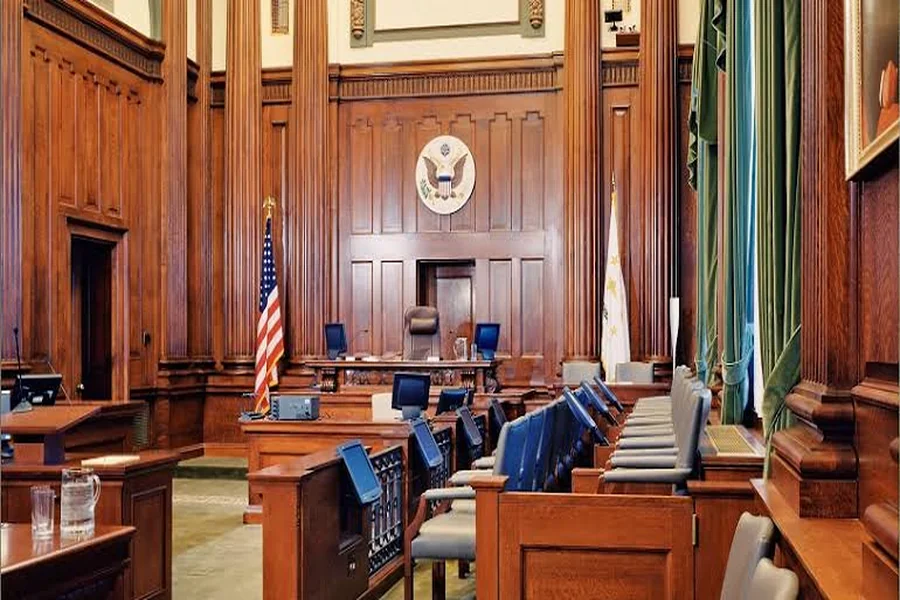

A domestic abuse court hearing can be confusing and tense. You do not know what will happen next, or what the judge will ask you. That uncertainty can feel harsher in a tough circumstance already. Kansas City, domestic abuse instances, and distinct courts and legal steps. The correct process depends on the charge, where it was filed and the type of hearing. Not every case has a one-size-fits-all judicial route. Some cases involve criminal charges. Others are protective orders. Some people may have both at the same time. Knowing the fundamental process can help you enter into the courtroom confidently.
- Choose the right court to begin
- What happens at a first hearing?
- Protection Order Hearings Are Unique
- Evidence May Influence Hearing
- Witness Role
- The Judge Doesn’t Decide by Emotion
- What Does a Defendant Bring?
- What to Say in Court
- The Role of Specialty Courts
- Post-Court Community Support Is Important
- A Couple of Easy Rules Can Save You From Larger Problems
- Be Prepared Before You Walk Through Those Doors
- Frequently Asked Question
Choose the right court to begin
Don’t stress about the hearing itself before you find out what court has your case. The Municipal Court of Kansas City deals with infractions of city ordinances. Missouri state courts hear state criminal charges and other things under their jurisdiction. Protection order proceedings are a separate civil proceeding. This distinction may be easily missed. A person might think that all cases go through one special court when they hear someone mention “Kansas City domestic violence court.” That is not how the system is. Your court papers should include the court and hearing date. Protect the documents. A missed hearing can lead to another legal trouble.
What happens at a first hearing?
The first hearing can go over the basics. The judge may: Affirm the charge; Explain your rights; Set release restrictions; or Set another court date. What happens depends on the case and the court. At first sight you may not receive a full trial. “That’s alright. Sometimes there are a number of hearings before the case proceeds to trial or some other final outcome. Your lawyer can inform you what your specific hearing is supposed to cover. No guessing. Court phrases might sound alike with quite different meanings.
Protection Order Hearings Are Unique
A protective order is different from a criminal case. Protection orders in Missouri are civil cases. The court may impose restrictions on contact or other behavior if it determines the legal conditions are met. This order may be requested for claimed abuse, threats, stalking, or other activity under Missouri law. The court can hold a hearing during which both sides may present evidence. That hearing might be quite intimate. But it is a legal practice process with regulations and timeframes. If you receive a protection order, read it carefully. Follow all existing conditions until changed by court If communication is forbidden, a well-meant phone call can cause difficulty.
Evidence May Influence Hearing
With domestic violence there might be many different kinds of evidence. Some such examples are:
- Sms messages
- Pictures
- Records of medical treatment
- Police reports
- Video footage
- Telephone records
- Statements of Witnesses
- Physical evidence
But not everything can be used without observing the legal laws. Lawyers might oppose the introduction of evidence on the basis of hearsay, relevancy, authenticity or manner of procurement. That sounds technical. The theory is clear. The court must abide by regulations as to what evidence it may accept.
Witness Role
Witnesses can tell the court what they saw, heard or felt. The claimant can testify. Other witnesses can supply information. A lawyer is allowed to raise questions on cross examination. The purpose is to undermine the witness’s story. Was this person near enough to see what happened? Did they hear the whole conversation? Did their story change? Those queries don’t necessarily imply someone lied. They assist the court in assessing the testimony. Human memory is not an exact record. People can recall the same experience differently. The court looks at those discrepancies and all the other information.
The Judge Doesn’t Decide by Emotion
Domestic violence cases are quite emotional. That is logical. But a judge is bound to apply the law to the circumstances given in court. The judge may assess the testimony, evidence admitted, legal arguments and the regulations applicable to the hearing. A serious charge demands serious consideration. So does the defendant’s entitlement to a fair legal procedure. The two principles are compatible.
What Does a Defendant Bring?
Preparation starts before you ever walk into the courts. Bring your court papers and some kind of ID. Follow the directions of the court or your counsel. Your lawyer may also require documents or records relating to the matter. (2) Delete texts or emails. Do not edit photos. Don’t ask someone to change their tale. Preserve pertinent information as is. If you have a protection order, take a copy if your lawyer asks for one. Little things can matter later.
What to Say in Court
That’s where folks often feel frightened. “You don’t have to give the judge a long spiel. Listen closely. Answer questions if requested. Talk with respect. If you have a lawyer, let your lawyer make legal arguments unless the judge tells you to respond. Never assume a hallway discussion is safe. Statements made outside the courtroom might also create complications in a case. If you are doubtful, consult with your lawyer before talking about the facts.
The Role of Specialty Courts
Kansas City also offers specific court programs. These programs address specific needs that may be contributing to recurring court contact. Wellness Court offers mental health and substance use services to qualifying participants of Kansas City Municipal Court. This is not a specialized domestic violence court. But specialist courts expose another side of the legal system. They can blend court monitoring with therapy and community help. That emphasis can make a difference for long-term habit modification. Learn more about Kansas City Specialty Courts at Beyond the Bench KC. Beyond the Bench KC raises awareness and support throughout the community for the rehabilitative mission of Kansas City’s Specialty Courts.
Post-Court Community Support Is Important
Court hearing adjourned. Life will not. Someone may still require housing, a job, counseling, transportation or other help. Those needs can impact a person’s capacity to comply with court conditions and maintain changes over time. Beyond the Bench KC raises awareness of resources concerning the Specialty Courts. Its purpose is to get at the reasons for criminal conduct and to support people toward good change. That work does not replace legal counsel. It brings community support to where people may need it the most.
A Couple of Easy Rules Can Save You From Larger Problems
If you are in a domestic violence case, keep it simple. Obey all judicial orders. Attend all hearings as required. Photocopy crucial papers. Don’t contact someone when the order states you can’t. Don’t comment on the case on social media. Do not intimidate or pressure witnesses. Just because someone says they don’t want to pursue a matter doesn’t mean it’s closed. The legal process may still be in the hands of the prosecutor or the court. When in doubt, consult with your lawyer first.
Be Prepared Before You Walk Through Those Doors
A Kansas City domestic violence hearing might be daunting. Knowing the court, the sort of hearing and the basic regulations might reduce some of that ambiguity. Your case has to be closely examined. The evidence is important. “The evidence is important. Court orders are important. Most importantly, don’t try to guess your way through major legal problems. Get your facts straight. Maintain your records. Obey the orders of the court. Then go through each hearing one step at a time.
Frequently Asked Question
1. What happens in a Kansas City domestic violence court hearing?
The hearing depends on the court and the case. An early hearing might address charges, rights, release terms or future court dates. A hearing on a protective order is a separate civil process. Your lawyer can describe what your unique hearing will involve.
2. Can I use text messages and images as evidence in a domestic abuse case?
They can serve as proof if legal criteria are fulfilled. The court may consider issues of authenticity, context, relevance and hearsay. Keep the original messages, photographs and records instead of deleting or modifying them.
3. Will I have to talk at my court hearing?
They may ask you some questions, but listen to what your lawyer says. The defendant has important rights about comments and testimony. Don’t make factual claims about your case until you comprehend the legal impact.
4. Is a protection order the same as a criminal case for domestic violence?
No. A protection order is a civil court matter. A criminal domestic abuse case is a violation of criminal law. One situation may give rise to both actions, but the proceedings have different rules and aims.
5. What does Beyond the Bench KC do to support Kansas City Specialty Courts?
Beyond the Bench KC is focused on raising awareness and community support for Kansas City’s Specialty Courts. Its purpose is to concentrate on rehabilitation and to combat the core causes of criminal behavior. The group also advocates for access to community services that might help people enact meaningful change.